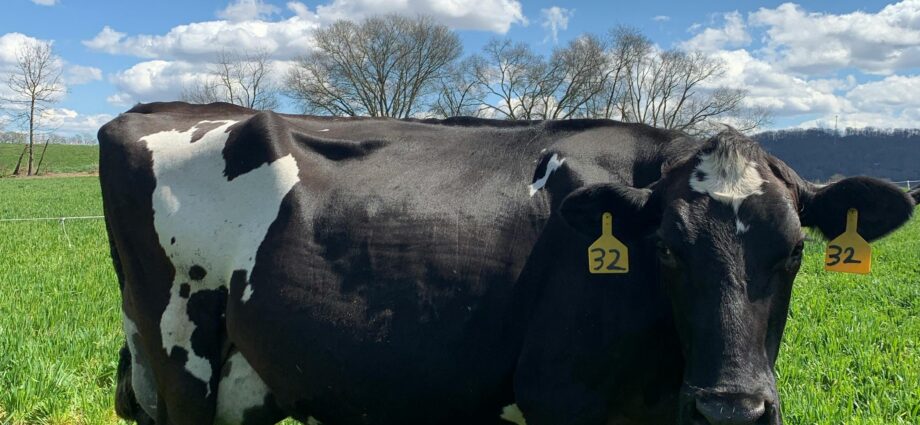
Effective dairy cow management balances animal welfare with productivity. Farmers who prioritize consistent milking routines, tailored nutrition, comfortable housing, and proactive herd health management typically see better milk yield, lower disease incidence, and improved longevity of cows. This post outlines practical, evidence-based practices you can implement on your farm, whether you’re managing a small herd or a commercial operation.
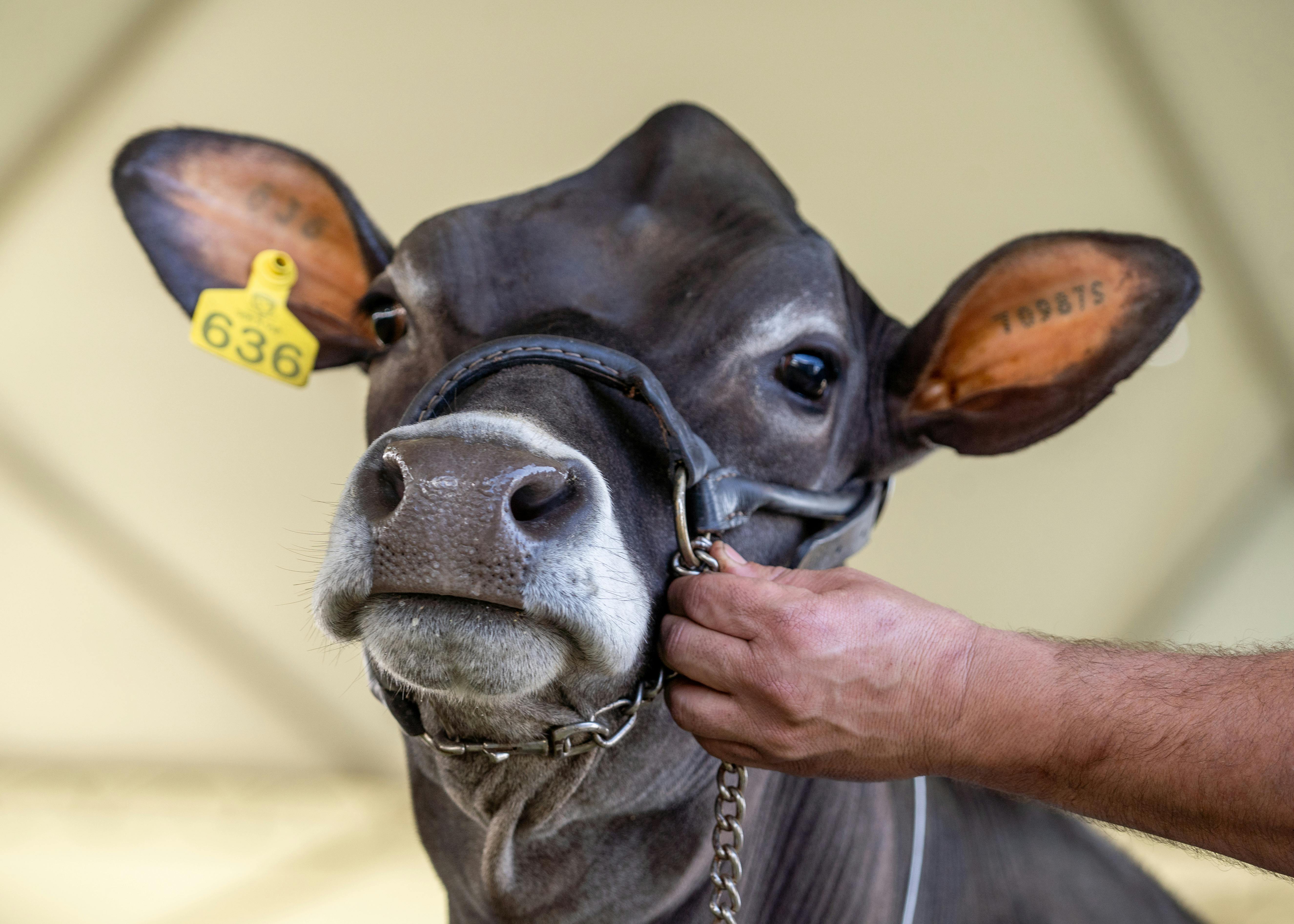
Milking Routines: Consistency and Hygiene Matter
A calm, consistent milking routine reduces stress and the risk of mastitis. Key steps include:
- Establish a fixed milking schedule (e.g., twice or three times daily) and stick to it to regulate udder milk accumulation and hormone cycles.
- Prioritize pre- and post-milking teat preparation: clean teats thoroughly, ensure proper stimulation, and use effective post-dip disinfectants to minimize infection risks.
- Maintain milking equipment with regular inspection, calibration, and sanitation. Faulty or poorly cleaned equipment can cause teat damage and encourage pathogens.
- Train staff in low-stress handling techniques. Gentle, efficient handling reduces cortisol levels and can improve milk letdown.
Nutrition: Feed for Production and Health
Nutrition should support lactation demands while maintaining body condition and rumen health. Consider the following:
- Work with a nutritionist to formulate rations based on forage quality, milk yield targets, and body condition scoring. Balance energy, protein, fiber, vitamins, and minerals.
- Ensure consistent access to clean water — water intake drives milk production.
- Monitor body condition score (BCS) regularly, particularly during transition periods (three weeks pre- and post-calving). Avoid dramatic BCS changes that predispose cows to metabolic disorders.
- Use buffers, effective fiber, and controlled starch sources to prevent acidosis and maintain rumen function.
- Provide trace mineral supplementation and consider additives (e.g., rumen-protected amino acids) if economically justified for your herd’s goals.
Housing Comfort: Environment Affects Health and Yield
Comfortable housing reduces lameness, improves resting time, and supports overall health. Key features include:
- Adequate bedding and comfortable lying areas. Cows need 10–14 hours of rest per day for optimal production; soft, clean bedding encourages lying time and reduces hock lesions.
- Proper ventilation to control humidity, ammonia, and airborne pathogens. Good airflow without drafts helps lower respiratory issues and improves cow comfort.
- Non-slip flooring and well-designed alleys to reduce slipping and lameness; regular hoof trimming schedules help maintain hoof health.
- Sufficient space per cow in feeding and resting areas to minimize competition and stress. Properly designed feeding space reduces aggressive behavior and ensures access for lower-ranking animals.
Herd Health: Monitoring, Prevention, and Rapid Response
Good health management is proactive. Implement routines and protocols that help detect problems early and prevent outbreaks:
- Establish vaccination and parasite control schedules tailored to regional risks and herd history.
- Use routine herd health records: track milk somatic cell counts, reproductive performance, lameness events, and metabolic disease occurrences to identify trends.
- Isolate and test new animals prior to introduction. A quarantine protocol prevents introducing infectious diseases to the herd.
- Train staff to recognize early signs of illness (reduced appetite, changes in gait or milk yield, abnormal feces) and set clear response procedures with your veterinarian.
Practical Tips for Implementation
Start small and measure impact. Examples:
- Introduce a standardized milking checklist and track mastitis rates before and after implementation.
- Run forage tests and adjust rations based on nutrient analysis rather than visual estimates.
- Perform regular walk-throughs to spot bedding, drainage, or ventilation problems early.
- Invest in staff training and incentives for low-stress handling and consistent record keeping.
Conclusion
Improving dairy productivity and welfare is an integrated process. Milking routines, nutrition, housing comfort, and herd health are interlinked — gains in one area often amplify benefits in others. By combining consistency, monitoring, and targeted investments, farms of all sizes can raise both production levels and animal welfare standards. Work closely with advisors, veterinarians, and nutritionists to design a plan that fits your herd and goals.
If you’re interested in specific checklists or templates for milking routines, feed planning, or herd health records, leave a comment below or contact a local extension service to get personalized resources.
Great overview — I especially appreciated the practical checklist suggestions for milking routines. Do you have a sample milking checklist to download?
We’ve seen big improvements after switching to softer bedding and stricter milking times. Lameness went down and milk went up. Thanks for summarizing the key points.
Good emphasis on transition management and BCS monitoring. I’d add that energy balance formulas during the transition period can prevent many metabolic issues.
What ventilation systems are most cost-effective for small barns? The post mentions ventilation but I’d love a follow-up with examples.
Consider automated data collection (sensors for rumination, activity, and milk meters) to detect early health changes. It pays off in large herds.