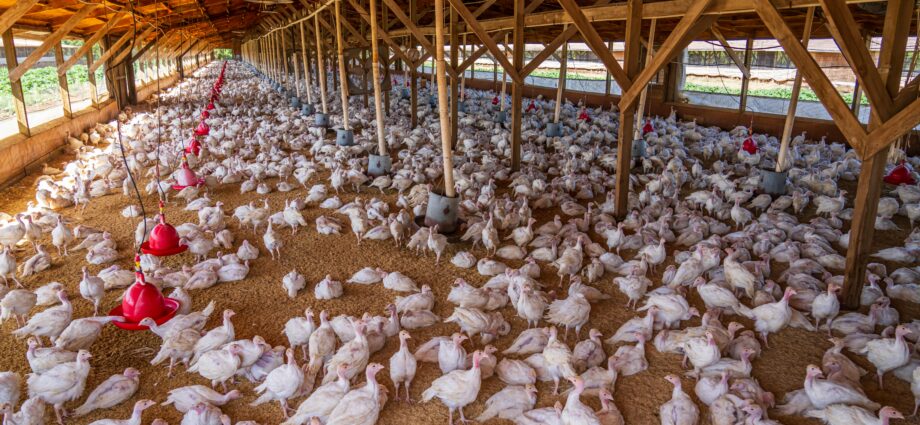
Keeping chickens healthy and productive requires a blend of good housing, balanced nutrition, routine health checks, and efficient egg collection. Whether you’re managing a small backyard flock or running a larger commercial operation, the basics are the same: provide safety, comfort, clean water and feed, and monitor birds for any changes that indicate illness or stress.
Housing: shelter, space, and ventilation
Housing should protect chickens from predators, weather extremes, and overcrowding. Provide at least 2-4 square feet per bird inside the coop for bantams and 4-6 square feet per standard bird; outdoor run space should be larger whenever possible. Perches, nesting boxes and dry bedding are essentials.
Good ventilation reduces ammonia buildup and respiratory problems; aim for fresh air flow without drafts at bird level. Insulate or add heat only when necessary in very cold climates—overheating can be as harmful as cold stress. Keep bedding dry and replace or spot-clean regularly to avoid parasites and respiratory issues.
Feeding: balanced rations and fresh water
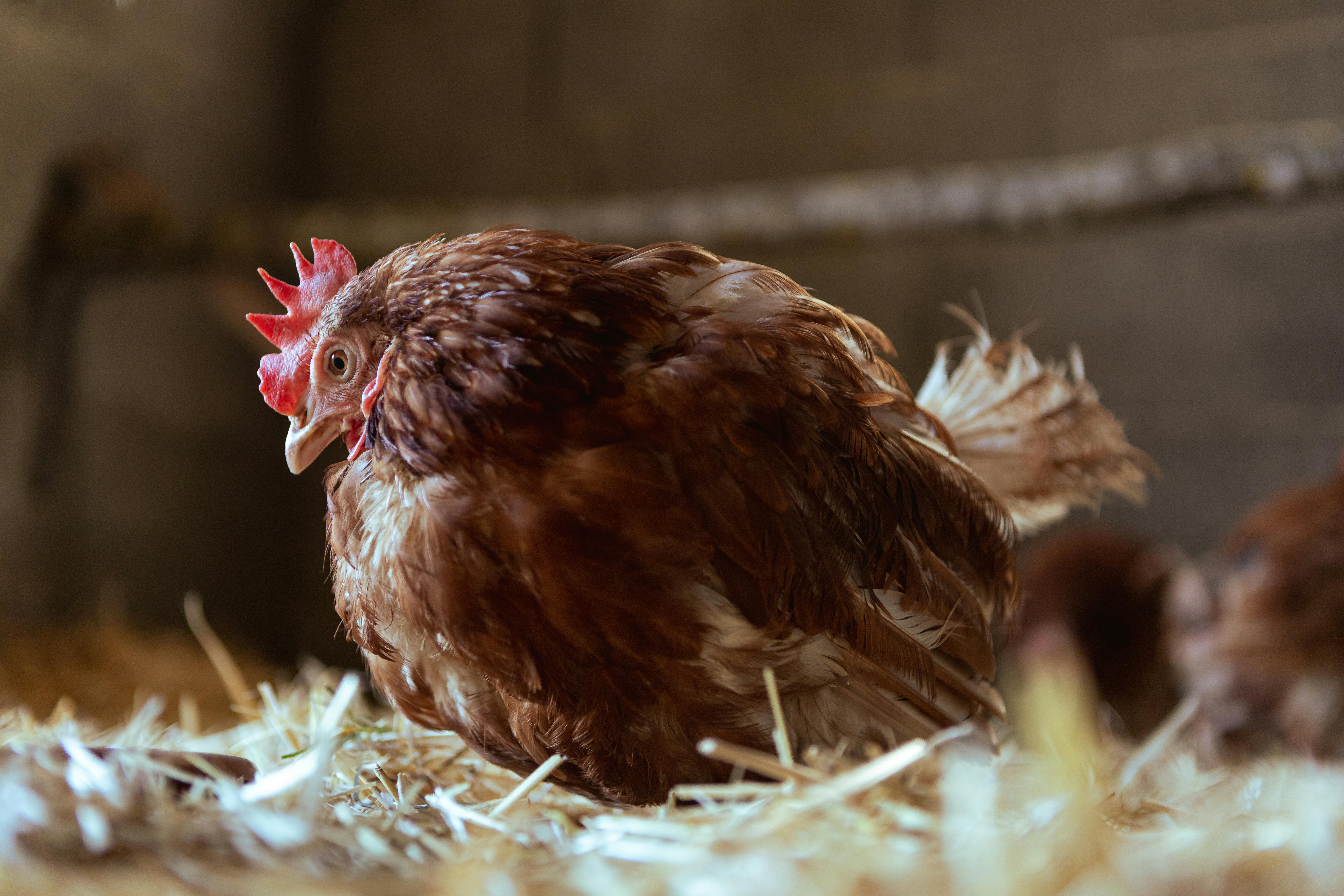
Diets should match the birds’ life stage and purpose. Starter feeds for chicks, grower feeds for adolescents, layer diets for egg producers with added calcium, and maintenance feeds for non-laying birds. Commercial feeds are formulated to meet nutrient requirements, but you can supplement with kitchen scraps, greens, and grit (for birds without access to natural grit).
- Provide clean, fresh water at all times; check drinkers twice daily.
- Offer oyster shell or crushed limestone free-choice for laying hens to support eggshell quality.
- Avoid moldy feeds and foods high in salt, sugar, or raw potato, which can harm birds.
Health checks: daily routines and common issues
Spend a few minutes each day observing your flock. Look for changes in appetite, activity, droppings, comb color, and posture. Early detection is critical. Common problems include external parasites (mites, lice), internal parasites (worms), respiratory infections, and egg-laying disorders.
Routine tasks:
- Inspect feathers and skin for parasites; treat promptly with approved products.
- Examine vents and feet for swelling, scabs, or bumblefoot; clean and respond quickly.
- Keep a basic first-aid kit: antiseptic, wound dressing, electrolytes, and a thermometer.
- Work with a poultry vet for vaccinations, diagnostics, and outbreak plans—especially in commercial settings where biosecurity matters.
Egg collection and management
Collect eggs at least once daily in warm weather and twice daily in hot months or when predators are active. Frequent collection prevents breakage, reduces soiling, and discourages broodiness. Use clean nesting boxes lined with straw or wood shavings and maintain about one box per 4-5 hens.
Store eggs in a cool, dry place; washing is optional depending on local practices. In many small-scale operations, unwashed eggs with intact bloom keep longer at room temperature, while commercial producers typically wash and refrigerate eggs before sale.
Record-keeping and flock planning
Keep simple records of feed use, egg production, hatch dates, vaccinations, and health incidents. This helps spot trends and make informed decisions about culling, supplementation, or management changes. Plan for seasonal shifts—adjust feed, ventilation, and lighting to maintain consistent production as daylight changes.
Differences for backyard vs. commercial systems
Backyard keepers can focus on welfare, small-scale biosecurity, and integrating chickens into a homestead. Commercial operations must scale up biosecurity, waste management, and feed logistics while complying with local regulations and food safety standards. In both cases, prioritize humane handling and environmental enrichment to reduce stress and improve productivity.
Final tips
Spend time with your birds—regular handling when they are young makes management easier later. Build relationships with local suppliers and a poultry-savvy vet. Always quarantine new birds before adding them to the flock for at least 2 weeks to prevent introducing disease. With consistent attention to housing, nutrition, health checks, and egg handling, you can maintain a healthy, productive flock whether you keep a dozen hens in your backyard or manage hundreds in a commercial setting.
Great overview — thank you! Can you recommend a safe treatment for mites that works well for both backyard and small commercial flocks?
I appreciate the note about quarantine. Saved me from an outbreak last season. For commercial operations, also add vehicle and visitor logs to your biosecurity checklist.
Would love a follow-up post on natural feed supplements and which kitchen scraps are safe year-round for layers.
Quick tip: weight-check a sample of your flock periodically. Unexpected weight loss is often the first sign of internal parasites or nutritional issues.
How often do you recommend cleaning nesting boxes? I tend to change bedding every 2-3 weeks but wonder if that’s enough during summer.