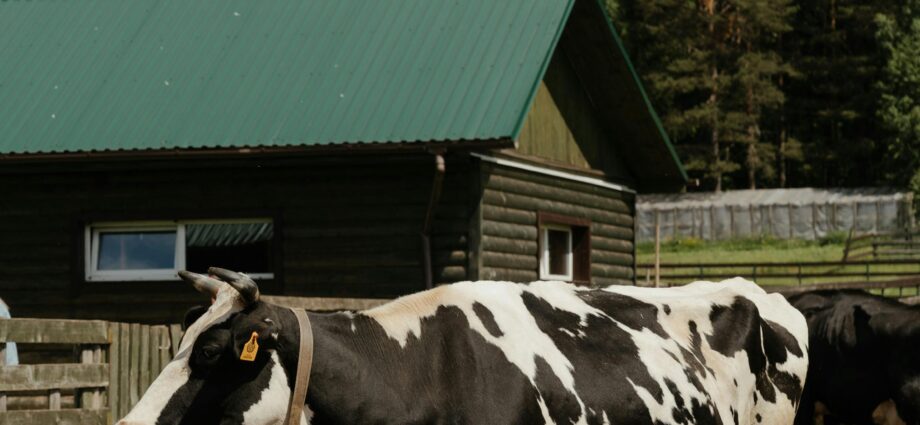
Meet Common Farm Animals
Farms are home to a variety of animals that provide food, fiber, and companionable company. This guide introduces five of the most common farm animals — cows, pigs, chickens, goats, and sheep — with basic facts about each species and simple care needs for small-scale or hobby farms. Whether you are planning to visit a farm, start keeping a few animals, or teach children about agriculture, these overviews will help you understand their essentials.
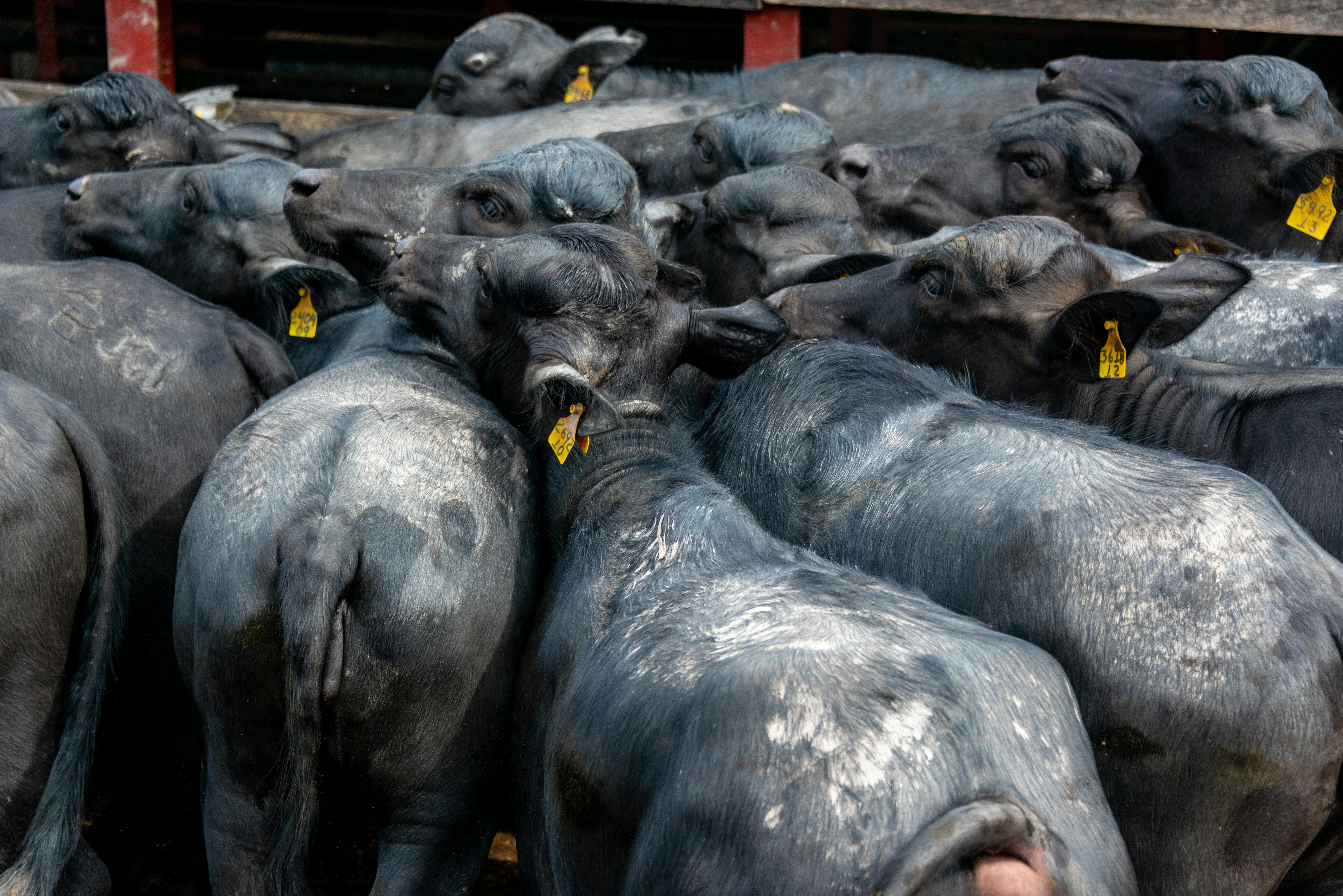
Below you will find short profiles for each animal, including natural behavior, primary purposes on farms, diet highlights, and welfare basics every keeper should know.
Cows
Basic facts: Cows are large ruminants raised primarily for milk and beef. They are social herd animals with a strong flight zone and well-developed senses of smell and hearing. Breeds vary widely in size, temperament, and productivity.
- Housing: Require sturdy shelter from extreme weather and dry bedding for resting.
- Feeding: Ration typically based on forage (pasture or hay) supplemented with grain or balanced concentrates as needed for production level.
- Health: Regular hoof care and vaccinations are important; monitor for bloat and digestive issues in high-concentrate diets.
- Care tip: Provide ample clean water and maintain pasture rotation to avoid overgrazing.
Pigs
Basic facts: Pigs are intelligent omnivores kept mainly for pork. They are curious, social, and can be trained to follow simple cues. Pigs need enrichment to prevent boredom and destructiveness.
- Housing: Strong fencing and shelter; pigs are good at rooting so floors should be robust.
- Feeding: Balanced pig feed with appropriate protein levels; access to fresh water is crucial.
- Health: Watch for respiratory disease and parasites; maintain good hygiene to reduce illness.
- Care tip: Offer rooting areas and toys to satisfy natural behaviors and reduce stress.
Chickens
Basic facts: Chickens are versatile birds raised for eggs and meat. Backyard flocks often consist of mixed breeds chosen for temperament and egg color. They are social, form pecking orders, and benefit from free-range time when safe.
- Housing: A predator-proof coop with nesting boxes and perches; secure run or free-range area.
- Feeding: Layer feed for egg-producing hens; grit and calcium (like crushed oyster shell) help shell quality.
- Health: Monitor for mites, lice, and respiratory signs; regular cleaning of coop reduces disease risk.
- Care tip: Provide dust-bathing areas and shade to support natural behaviors and comfort.
Goats
Basic facts: Goats are agile browsers kept for milk, meat, fiber (such as cashmere or mohair), and companionship. They are inquisitive and social, often preferring the company of humans or other goats.
- Housing: Secure fencing (goats can escape easily) and a dry shelter with good ventilation.
- Feeding: Prefer browse but also eat hay and balanced grain; too much grain can cause digestive upset.
- Health: Routine hoof trimming and parasite control are essential; ensure adequate copper levels for some breeds, but avoid toxicity.
- Care tip: Goats thrive with enrichment like elevated platforms and objects to climb on.
Sheep
Basic facts: Sheep are grazers primarily raised for wool, meat, and sometimes milk. They are flock animals with safety in numbers and rely on good fencing to protect them from predators.
- Housing: Shelter from heavy rain and wind; dry bedding is important to prevent fleece contamination and skin issues.
- Feeding: High-quality pasture and hay; precautions with internal parasites are often necessary.
- Health: Regular shearing for wool breeds, hoof trimming, and routine parasite management help maintain flock health.
- Care tip: Keep sheep with companions, as isolation stresses them and can lead to health problems.
Final Notes on Responsible Care
All farm animals require commitment: secure fencing, appropriate nutrition, clean water, shelter, routine health checks, and attention to behavior. Local extension services and experienced keepers are valuable resources when you are starting out. Small-scale farms and hobby keepers should plan for space, budgets for feed and veterinary care, and long-term commitments before bringing animals home.
Whether you are caring for a single chicken or a small mixed herd, learning each species’ needs and natural behaviors will lead to healthier animals and more rewarding experiences. If you have questions about keeping any specific breed or managing common health issues, consult a veterinarian familiar with livestock or your local agricultural extension office.
Great overview! I shared this with my kids before our visit to a local farm — it answered many of their questions.
Useful and practical. I appreciate the care tips for goats and sheep; fencing advice was especially helpful.
Nice summary. Would love a follow-up post on common illnesses and basic first-aid for backyard farmers.
Thanks for including enrichment ideas for pigs and goats. Too many guides forget animal behavior and boredom.
Informative and beginner-friendly. Could you add a quick checklist for first-time chicken keepers in a future post?